Tideline
Coastal Ecology Field Institute
Accredited fieldwork. Original data. Ten days.
Session A — June 9–18 · Session B — August 3–12, 2026
2 of 14 places remaining for Session A
Do I need prior dive certification to participate?
No. All fieldwork in this course takes place in the intertidal and shallow subtidal zones — you will be working in waders, on foot, or from the research vessel's deck. Scuba certification is not required and is not part of the curriculum.
You should be comfortable working in cold, wet conditions and able to walk on uneven rocky substrate for extended periods. A basic swimming ability is required as a safety precaution. Full weather gear, waders, and personal flotation devices are provided.
If you hold a current dive certification and wish to integrate underwater transect work into your independent project, please note this in your application — there are limited slots for supervised dive sessions with instructors who hold PADI Divemaster qualifications.
Will the fieldwork count toward my program's credit requirements?
Tideline issues an official Letter of Completion on Harrowgate Marine Research Station letterhead, documenting 80 contact hours of accredited ecological survey methods training. This letter is accepted by the majority of Canadian and US marine science programs as evidence of independent fieldwork hours.
We have confirmed credit-transfer agreements with the following institutions — contact your graduate coordinator to verify applicability to your specific degree requirements:
- Dalhousie University
- University of Victoria
- Memorial University of Newfoundland
- University of New Hampshire
- Oregon State University
- Simon Fraser University
For programs not listed above, we provide a supplementary documentation package including curriculum vitae of lead instructors, course syllabus, and assessment rubrics to support your departmental petition.
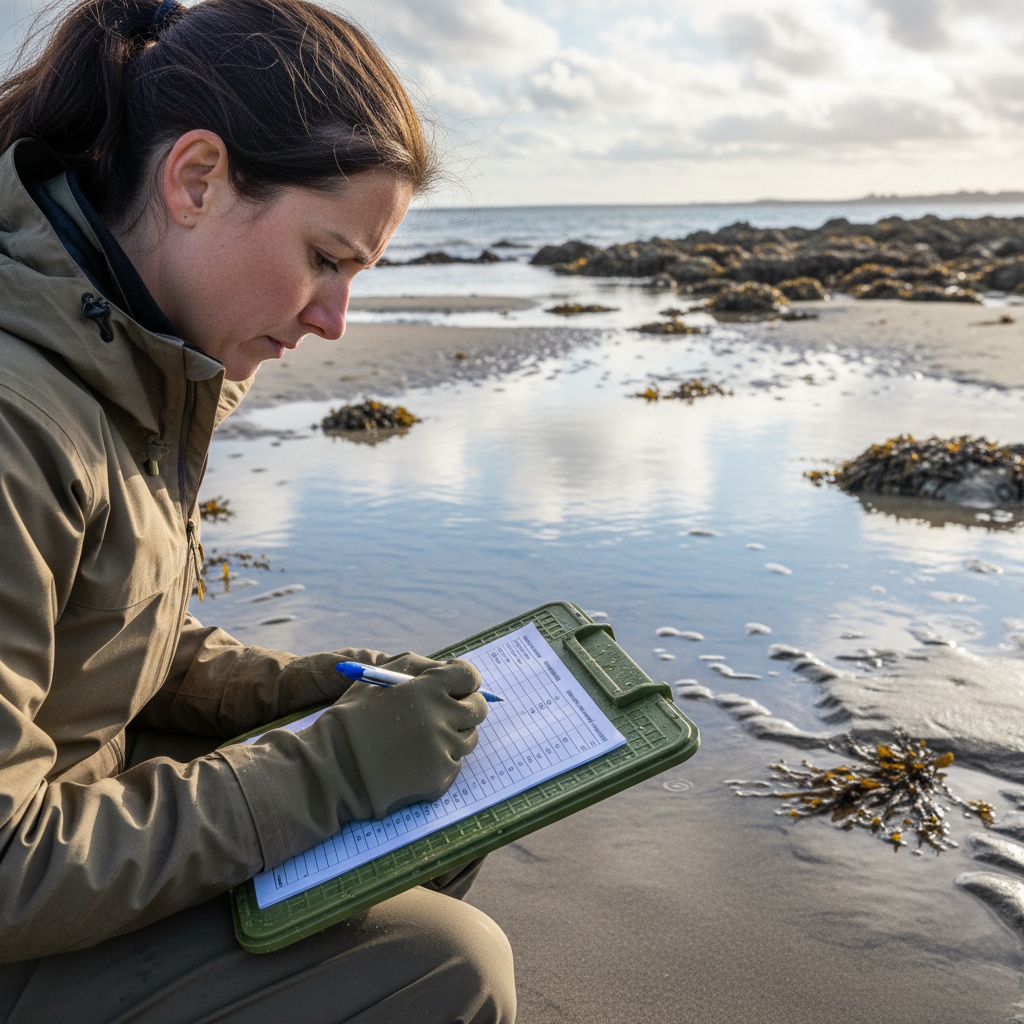
Quadrat sampling, Harrowgate North Shore — Session 3, Day 2
What does a typical day actually look like?
Days are structured around the tides. The low-tide window — typically between 05:45 and 09:30 — is non-negotiable; that is when the intertidal zone is accessible and the animals are where you need them to be. Everything else in the schedule is built around that constraint.
Below is a representative schedule from the middle days of the course, when fieldwork, lab work, and independent project development are running in parallel. Days 1–2 are orientation and safety; Days 9–10 are reserved for data presentation preparation and the final panel review.
| Time | Activity | Type |
|---|---|---|
| 05:45 | Departure to intertidal site — low tide window | Field |
| 06:00–09:30 | Quadrat and transect surveys; specimen collection | Field |
| 09:45–10:15 | Debrief and field data review on-site | Field |
| 10:30–12:30 | Lab session: specimen processing, taxonomy, preservation | Lab |
| 12:30–13:30 | Lunch — communal station dining hall | Independent |
| 13:30–15:30 | Data entry, QA/QC, statistical analysis workshop | Lab |
| 15:30–17:00 | Independent project development (supervised) | Independent |
| 17:00–18:30 | Guest seminar or instructor-led methods lecture | Seminar |
| 19:00–20:30 | Informal data review; open lab access | Independent |
"By Day 4, the students stop asking what to do next. They start reading the tide charts themselves."
— Dr. Priya Nambiar, Lead Field Instructor, Sessions 2023–2025Days 1–2: Station orientation, safety protocols, equipment training, site familiarization. You will collect your first data set on Day 2 afternoon.
Days 3–8: Full survey schedule as above, with your independent research question developing in parallel. Instructors hold daily one-on-one project check-ins.
Days 9–10: Data finalization, presentation preparation, and the final evening panel review with two publishing scientists from outside the station faculty. Presentations are 12 minutes with 8 minutes of questions — the same format as a conference session.

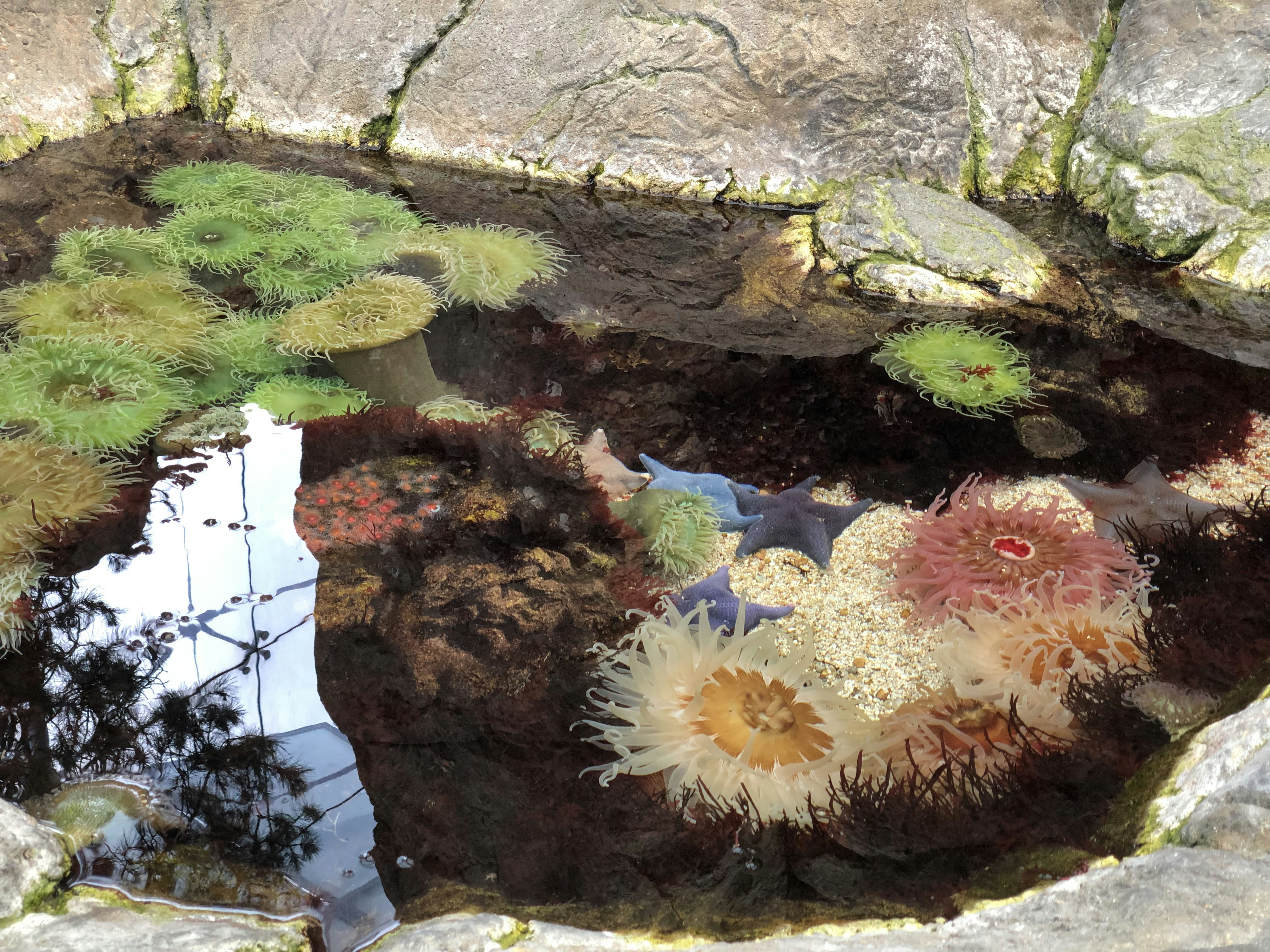
Left: Evening lab session, specimen taxonomy. Right: Intertidal survey site, north shore.
Session A — June 9–18 · Session B — August 3–12, 2026
2 of 14 places remaining for Session A
What equipment is provided, and what do I need to bring?
All specialist fieldwork and laboratory equipment is provided by the station. You do not need to purchase or rent any scientific instruments. The gear list below reflects what is available from station stores on Day 1 — everything listed is included in the course fee.
Provided by the station
Participants bring
Getting to the station: Harrowgate Marine Research Station is 40 minutes from Halifax Stanfield International Airport (YHZ). Shared shuttle transport is coordinated for participants arriving on the designated arrival day (Day 0). Accommodation is in the station's on-site dormitory rooms — single-occupancy rooms are available at a supplement; standard rooms are twin-share. All meals are provided in the communal dining hall.
Course fees
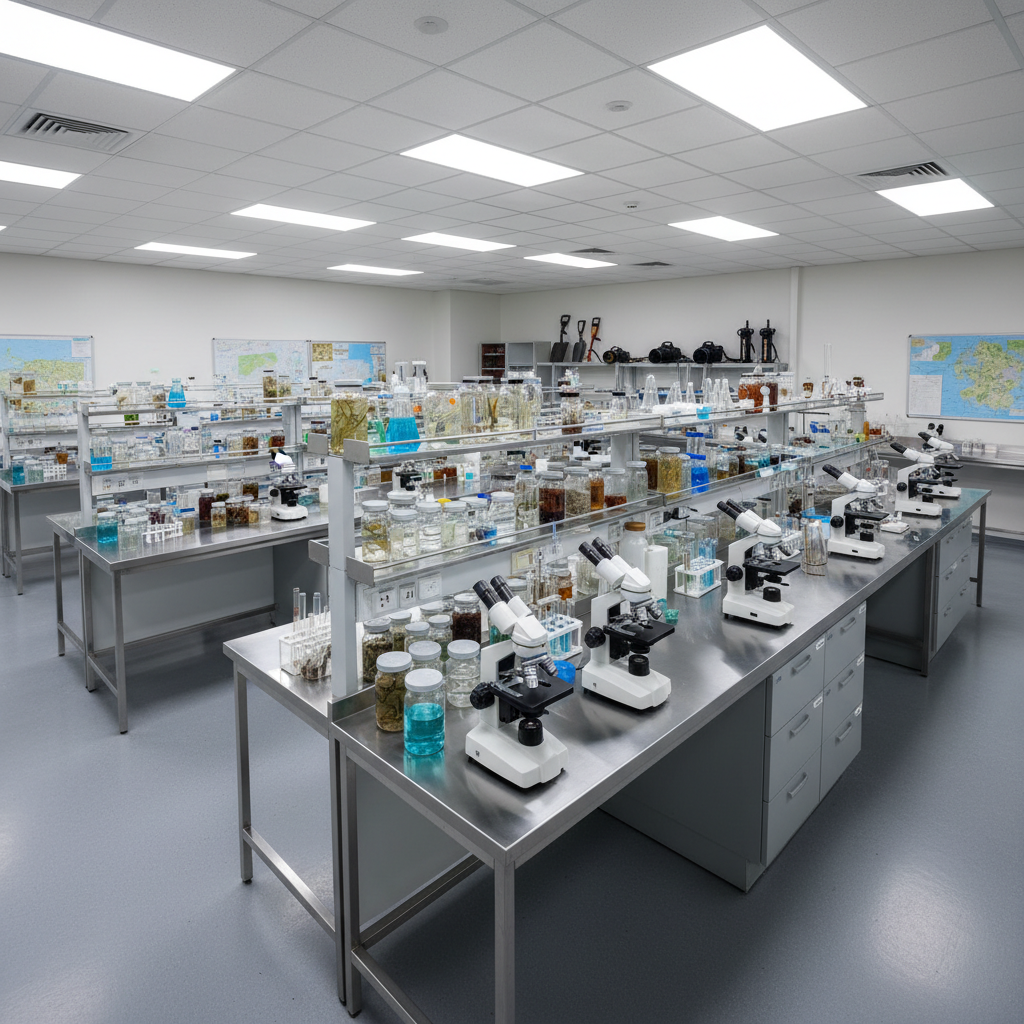
Station laboratory, main bench — Harrowgate MRS
Who are the instructors, and what are their research credentials?
All three lead instructors hold active research positions at Canadian universities and have publications in peer-reviewed journals. The final-evening panel review includes two additional scientists from outside the station faculty — past reviewers have included researchers from NOAA, the Bedford Institute of Oceanography, and the Smithsonian Marine Station.
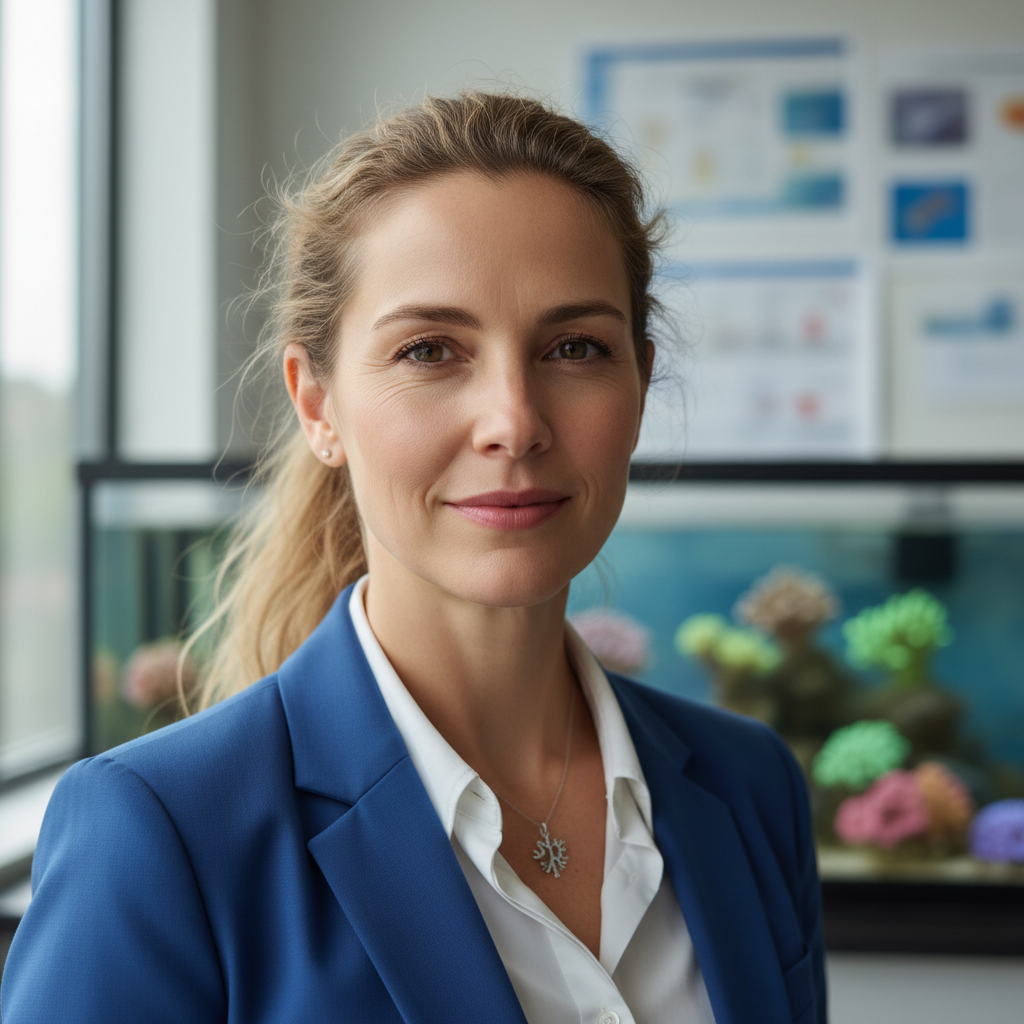
Priya has led Tideline's intertidal surveys since 2020. Her research focuses on macroalgal community responses to thermal stress events in the northwest Atlantic. She holds a PADI Divemaster certification and teaches graduate ecological methods at Dalhousie.
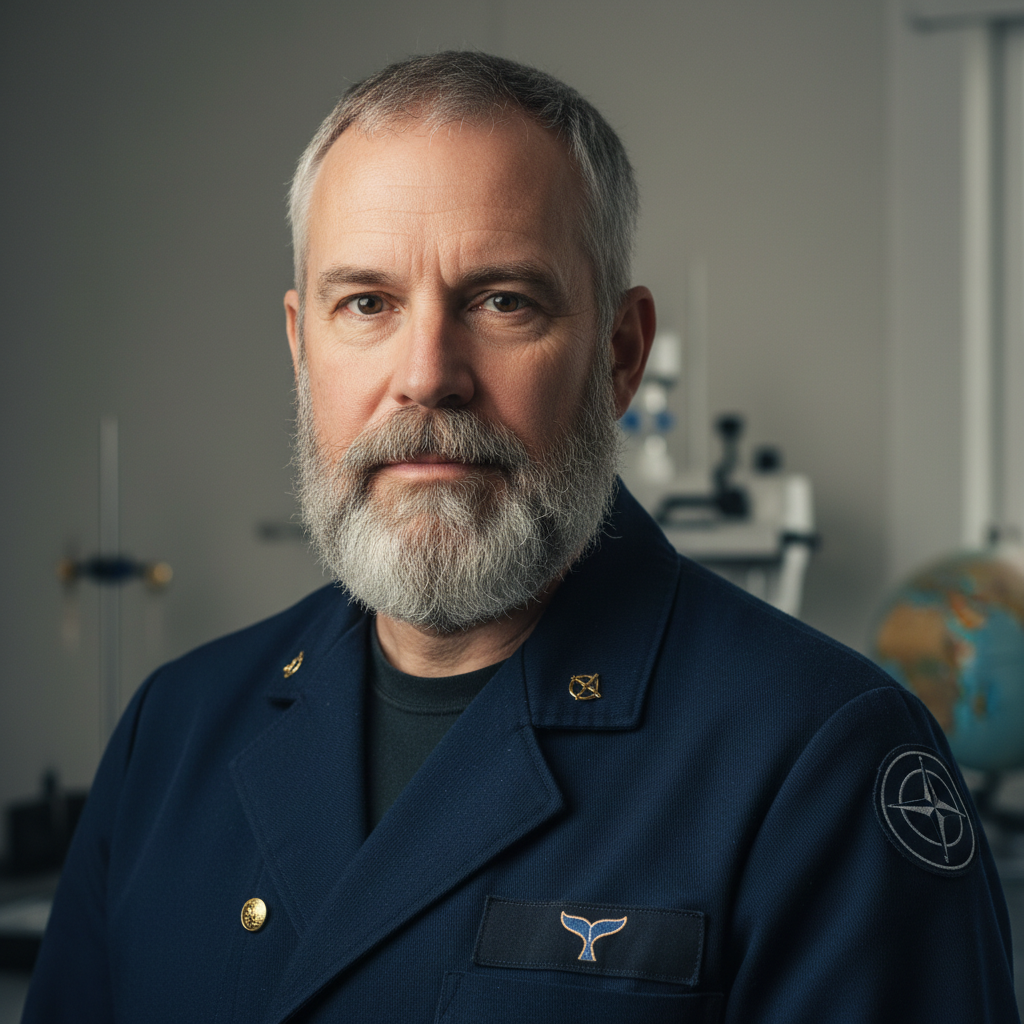
Marcus leads all specimen processing and taxonomy sessions. His laboratory work on bivalve population genetics has been published in Marine Ecology Progress Series and the Journal of Experimental Marine Biology and Ecology. He is the author of the station's specimen preservation protocols.

Ingrid teaches the data analysis workshops and supervises independent project statistical design. Her work on multivariate analysis of benthic communities has been cited over 400 times. She is the architect of the course's data-to-presentation pipeline.
Final panel review: The Day 10 presentation panel includes two external scientists who have not seen your work during the course. They receive your abstract 48 hours in advance and are expected to ask substantive questions. Past participants have described this as the most valuable professional experience of their graduate training — more useful than a departmental seminar because the reviewers have no obligation to be polite.

Final panel review session — Harrowgate MRS Seminar Room, 2025
Begin the application.
Places are allocated in order of application completion. You will receive a confirmation email within 48 hours.